


As we already know, a behavior is determined by its consequences, so we will keep in mind that depending on how those consequences are, there will be a higher or lower probability of the behavior repeating itself.


Wezooit Blog
MAMMALS, BIRDS, REPTILES, DOGS ...
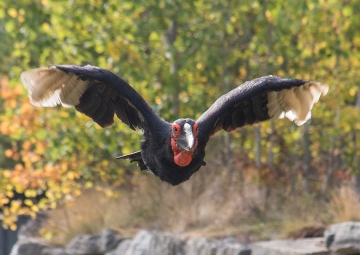
Maybe at some point you’ve asked yourself this question, and it’s that sometimes without realizing it some behaviors begin to decay, or the animals begin to directly refuse to do them. In these cases, it is important to be observers, and to perceive the root of the problem, because sometimes the cause may come from a precursor that we have not perceived.

When we talk about silent training, we find a concept unknown to many animal trainers; but nothing could be further from reality, since most of the time we use it in a more or less conscious way.
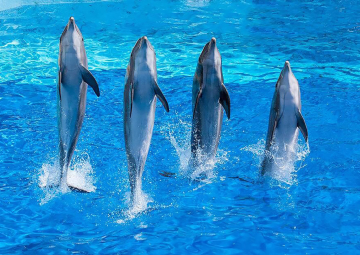
In our second article we talk about operant and classical conditioning, and this time we will explain in detail what bridge is, what types there are, and their relationship with both types of learning.

When we talk about training, it is necessary to know how to organize a training plan that is well defined and easy to understand by all. In addition, it is important that we trainers follow the same methodology and thinking.
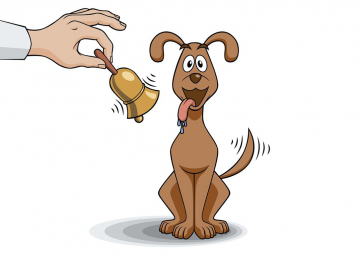
To know how conditioning works, we must inevitably talk about two very significant people within what is learning and behavioral. The Russian physiologist Ivan Pavlov (1849-1936) and the American behavioral psychologist Burrhus Frederic Skinner (1904-1990)
29 April 2025
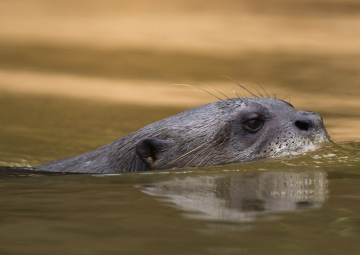
Giant Otters: Medical and Handling Training

02 December 2024
Training Maned Wolves: Building Trust for Care and Conservation

14 October 2024
What are prompts?
